

Searched the headlines lately to gather ideas for plot twists?
There have (sadly) been lots of idea-generating cases, including a variety of lethal, or nearly lethal, murder attempts using drugs, such as:
An Australian woman convicted of murder by serving guests poison mushroom-laced beef wellington…
Numerous cases of murder using tetrahyrozoline eye drops…here and here and here.
And so many more.
Writers often tap into these real-life events when designing fictional plot twists. But they need to be careful! Journalists don’t always take the time to give you all the facts. Some titles are just click-bait. Some articles have substance. Few offer enough real information to create credible plot twists without further research.
Truth is Better Than Fiction!
I’m often asked why writers can’t just make up the facts? After all…we write fiction! Yes, but…go ahead and search chat platforms where nurses, doctors, paramedics, pharmacists, and EMTs hang out and see what they have to say about all those faked scenes. There’s a reason The Pitt is the number one rated medical series- the screen writers did a fantastic job with facts and reality. And word spread rapidly through the medical community. These millions of healthcare workers can be an important part of not only your reading audience, but they play a crucial role in either encouraging others to read your book or in making it a locker room joke.
Besides, real drug facts actually offer incredible scene tension and page-turning opportunities. Why not take advantage of them?
Critical Facts to Consider in Drug-Related Plot Twists:
If you want to plot your character into a perilous corner using ideas from drug-induced deadly headlines, there are a few facts to research beyond the article to help create a more believable scene.
How the Drug is Obtained:
Over-the-counter or prescription?
If you want to write believable plot twists, you should research how the drug could be obtained during the historical time-frame of your story. Throughout the centuries, access to many drugs once readily available became restricted to prescription status or moved to illicit-only status (such as heroin, suprisingly once used to treat a wide variety of illnesses).
The packagine for over-the-counter (OTC) medications has also changed dramatically over the decades. If you’re planning for a character to buy a tainted-bottle of headache pills at the store, you need to understand when safety packaging became the norm in relationship to your story’s historical timeline.
Why?
Because the world of OTC medicines was devastated in the early 1980’s by a string of murders from potassium cyanide (and in other cases strychnine)-laced Tylenol capsules. These were the first-ever reported cases of deadly tampering with OTC drugs.
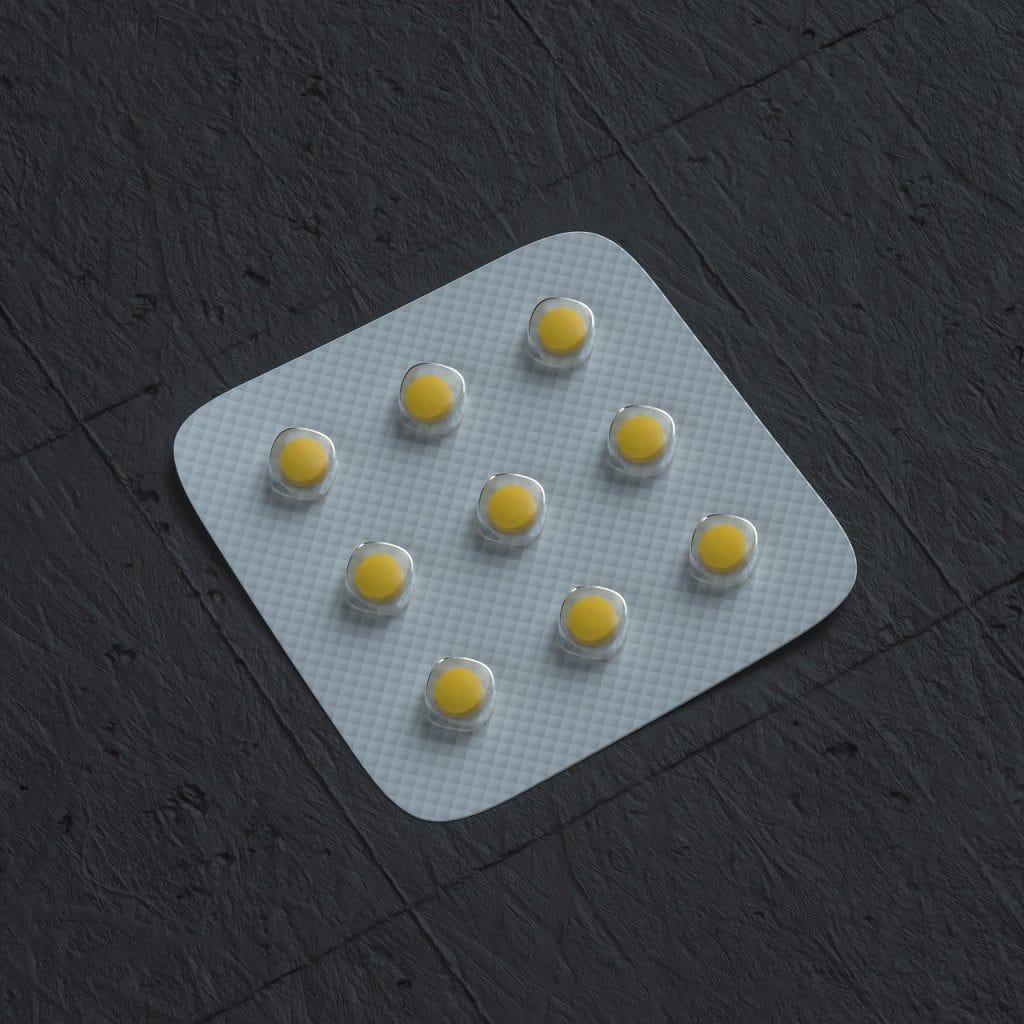
Since that time, OTC packages changed to include numerous tamper-resistant barriers- from tamper-evident seals under the lid to sealed gelatin capsules to shrink-wrap covered tops…and in some cases all of these.
More recently, many pills began being packaged in blister pouches for child-proofing (and in some cases to reduce the mass purchase by illicit drug labs of chemical precursors to street drugs, like methamphetamine). In addition, drugs like pseudoephedrine are now only available in the US via purchase from a pharmacist in restricted quantities using valid identification.
From nature?

Planning to have a character drugged using a plant source? There are certainly many realistic scenarios to consider, from belladonna to deadly mushrooms. Many plants are mis-identifed, leading to dangerous outcomes. If you read the tragedy of the deadly beef wellington (link above), you may remember the accused woman suggested she had accidentally mixed store-bought mushrooms with her own wild-picked mushroom supply. While her story unfolded as a massive lie, she did try to use a realistic excuse. Safe versus dangerous wild mushrooms are notoriously hard to identify by those without enough training.
Plants are also a great source of non-deadly scenes. A number of plants are commonly used for symptom relief or psychotropic effects. For example, hallucinogenic mushrooms grow in the wild. These can easily be confused with other edible fungi, offering a wide variety of scene options, from an accidental trippy tea to seriously frightening hallucinations.
Checking references on botanically-sourced drugs can be a great way to enhance the realistic nature of your story.
Plot Twists: Symptoms and Timelines
If you want to remain believable-heck, if you want to write a spell-binding scene:
**Don’t have your character instantly die (or pass out) from any drug**
This is not a realistic, despite Hollywood’s insistence on these types of scenes. On screen, these visually dramatic scenes may work. But in print, writers lose a great tool to create a page-turner with these rapidly-over scenes.
Andy why waste a great opportunity by using fake “insta-dead” scenes, when real drug symptoms are so much more dramatic. Revealed slowly, your reader will flip the pages in anticipation of what will happen to their beloved MC.
How, How Much, and How Soon?
Too many times, those chat room threads are bashing writers for how a scene depicts the drug getting into the poor victim. For example, injecting diluted, crushed tablets doesn’t always work as you may think. Squirting an injectable drug into a drink also doesn’t always work. Swallowed insulin, for example, is destroyed by stomach acids…which is why it must be injected.
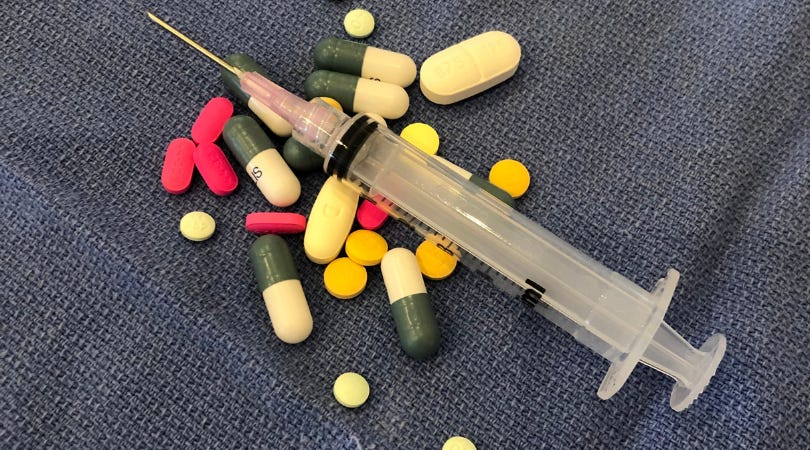
Sometimes, scenes are lambasted for the amount of drug used in a scene. Just a drop or two of tetrahydrozoline is not likely to kill your adult character. And taking just a couple of capsules of certain drugs isn’t lethal, while huge handfuls of some swallowed pills are likely to be vomited before deat occurs.
And, as mentioned, instant effects are not only wrong, but make for poor story telling (and a worse emotional journey for readers). Finding out how long it takes for a drug’s symptoms to begin and how your character will feel can help you not only build tension, but also offer options for what happens next (from rescue to death).
Resources for Drug-Related Plot Twists:
Writers have access to a wealth of information to gather real facts for scenes. Here are a few to get you started:

7 Key Tips for Writing Realistically Perilous Drug Scenes- Writer’s Digest
Unfortunately, many resources are either too generic or written in medical jargon, making writers guess how to correctly depict the scene.
My goal withThe Grim Reader: A Pharmacist’s Guide to Putting Your Character in Peril (from Indiana University Press) was to offer clear, concise information to bridge the gap between medical jargon and language writers can immediately use to create authentic scenes.
It includes tips for:
historical timelines,
how your character can get the drug (or how your nefarious character can give it),
street drug names and jargon,
how soon symptoms will begin,
how drugs will make your character act and feel, and
possible alternative outcomes
Importantly, it also offers many non-lethal plot twists that can be used to:
give your character interesting and memorable habits (think Sherlock Holmes),
develop realistic party scenes using trendy drugs, such as ketamine or ecstasy,
offer tips for frightening plot twists, such as a bad trip from DXM or bath salts, and even
develop scenes involving the new trendy use of LSD or hallucinogenic mushrooms

I hope you have found these tips helpful! This post is part of a monthly blog hop from a group of writers that love to share their journey with each other. Come join us over at the Insecure Writer’s Support Group and get connected. This month’s blog is generously hosted by: Beth Camp, Crystal Collier, and Cathrina Constantine. Below are links to other writers worth checking out.
Happy Plotting!
The post How to Turn Dramatic Headlines into Believable Plot Twists first appeared on Miffie Seideman.