

So, you want to write a drug smuggling scene, but aren’t sure where to start or how to make your character believable? Here are a few quick tips to get you started.
1. The Character:

What does a typical smuggler look like? There’s no stereotypical character description. The smuggler (the “mule”) may be young or old, male or female, or from a wide variety of backgrounds. Pregnant women and children are increasingly used to smuggle drugs. The Covid pandemic, with restricted borders and job losses, created a shift in the kinds of mules recruited by drug cartels. For example:
US college students on spring break are being offered cash to sneak drugs back into America.
Ads offer to pay people to drive vehicles from Mexico to the US, ostensibly to a car purchaser. In reality, and unbeknownst to the driver, the vehicles contain illicit drug stashes packed in hidden compartments.
2. The Smuggling Method:
As a writer, you have a lot of artistic license to decide how your character gets (or attempts to get!) the illicit drugs to a destination. Smugglers use many creative ways to hide drugs. Some real-life examples include:
Body packers
Here, your “mule” will hide drugs anywhere they can go inside their body. This can include swallowing hundreds of drug filled little packets or hiding those packets in body cavities. The packets are often flimsy, made of condoms wrapped in saran wrap, duct tape, or coated in wax.
If you character is swallowing all those packets, it will be a challenge, but drinking a numbing solution, along with an oily liquid, will help make the packets slide down the throat easier. Realistically, your character will also need to take antidiarrheal medicine to keep all those packets inside until reaching the destination, then another medicine to cause his gut to move the packets out.
If your character is a “stuffer,” then those packets will be tucked into various body cavities, hoping they don’t fall out along the journey.
Hidden in food or drinks:

As I said, smugglers get very creative. Illicit drugs have been transported in stacks of tortillas, tucked into a hole drilled through the middle. Drugs have been dissolved in cases of drinks, like iced tea, then reconstituted into powder drug once the shipment gets to the destination. In this case, drugs were concealed in jalepano paste.
Hidden in vehicles:
All kinds of hidden compartments have been located in vehicles used by drug smugglers (such as this drug bust), from inside the wheels to fake compartments under the flooring, and everywhere in-between.
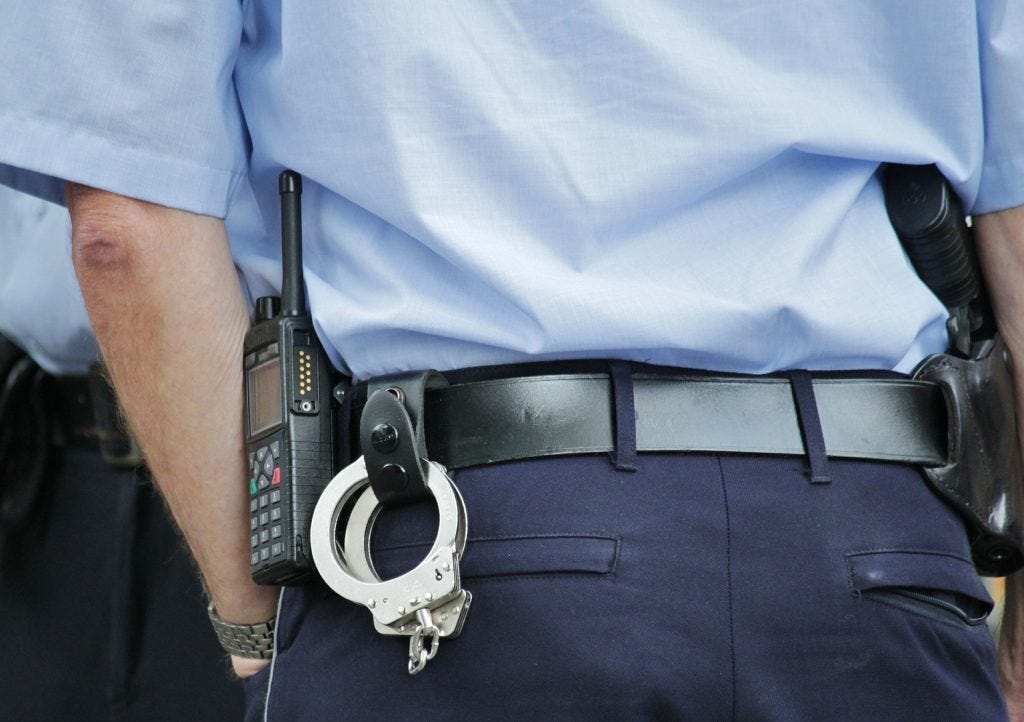
3. Building Tension in a Smuggling Scene
No smuggling scene is complete without suspense—the risk of getting caught is a great page-turner. So, what kind of trouble can your character get into?
Body packers:
Those little swallowed packets are not the sturdiest. They can tear, leaking drug. When that packet is inside a human, even one single broken packet can leak a lethal dose. Symptoms of a drug overdose will quickly overwhelm the character. Without emergency aid, this is your character’s last scene.
The little baggies can also get lodged anywhere along the character’s throat or intestines, creating a life-threatening blockage. Emergency surgery is needed to get the packets out. Consider a critique partner with a medical background to help smooth out he believability of an emergency surgery scene.
If your character is apprehended and x-rayed, all those little swallowed packets will look like a long tube of little white sausage links throughout the gut. To see actual x-rays of swallowed drug packets, click here.
Stuffers:
Those drug packets can fall out of their hiding place, forcing the smuggler to find a way to quickly re-hide them. Those fragile packets can get a tear during the re-hiding process, spilling out a lethal dose of drug.

Drug Sniffing K-9’s:
K-9’s have helped find their share of hidden drugs in vehicles, on people, etc. Consider a critique partner with expertise in drug sniffing dogs. Interviewing an officer in this field may also be an option.
More resources for writing a smuggling scene:
I hope this has helped give you ideas for writing your smuggling scene. These tips are just a few of those you’ll find in my upcoming non-fiction handbook for putting character in peril with believable drug scenes.
In the meantime, here are links to other articles you may find helpful for writing authentic drug scenes:
Happy Writing!
by Miffie Seideman author of The Grim Reader: A Pharmacist’s Guide to Putting Your Character in Peril, from Indiana University Press and Red Lightning Books and blogger at On We Merrily Stumble.
The post 3 Tips to Create A Believable Drug Smuggling Scene first appeared on Miffie Seideman.