

Writing a book can turn from a fun project into a pressure-filled stressor. From trying to fit writing around other life obligations to querying and marketing— there is often little downtime. Overburdened schedules can lead to physical and emotional burnout, leaving a writer’s imagination weary—and even contribute to writer’s block.

Sabotaging Writing Creativity
Unfortunately, as writers who take our craft seriously, we often view any and all untasked time as “writing time.” I’ve heard writers say that if we aren’t working or doing the laundry, we should have our “cheeks in seats,” writing toward the daily word count. Sadly, time used to do creative or relaxing tasks is often viewed as writing procrastination.

Our bodies, however, know something we don’t know. While we’re fighting our natural instinct to defuse, our mind may be telling us we need a break. That it needs time to refuel, find some creativity, and get nurtured. This notice can come in the form of exhaustion and disinterest in projects. If we don’t stop the process in time, our creative fuel tank can hit empty. This can not only hurt our writing, but extend to other health concerns, such as poor sleep and depression.
Childhood Imagination
Interestingly, as children, we were much smarter about refueling our creative energy. Imaginary playtime is expected —even promoted—for children. It stimulates their minds, helping them develop creativity, exporation, and problem solving.
Replacing Imagination With Routine, Tasks, and Daily Pressure
Unfortunately, as we grow up, our society puts less value on creativity than productivity. We guilt ourselves into feeling we must be doing—whatever that entails. It’s no wonder that, as writers, we feel guilty about sitting at a computer imagining other worlds and stories. And the people that we surround ourselves with may see writing efforts as a non-productive waste of time, too, reinforcing our guilt.
Changing Perspective
It’s important to reframe our understanding of what creativity does for us as adults. We need to embrace it as a health benefit, not a hindrance. From reduced anxiety levels to improved critical thinking, taking time to invest in stimulating our creative mind has many benefits, as noted in this article: Here’s How Creativity Actually Imporves Your Health, Forbes.
As writers, we willingly invest in our craft in other ways: studying craft books, attending conferences, time at writer’s meetings. But how can we truly embrace writing, if we don’t also take care of our imagination–a fundamental building block of our craft?
Learning to Play Again
Make a promise to yourself to value creative stimulation time as importantly as you do writing (or laundry) time. To do that, you need to learn to play (or relax) again. No, you don’t have to get out the Legos (but they are fun, aren’t they?).
What can you do? Here are a few suggestions from Psychology Today:
Nature:

Spend some time in nature. You don’t have to go on long, arduous hikes. Consider short walks instead. From bird watching to simply viewing gorgeous horizons, your mind will be met with sounds, smells, and rekindled memories. Nature can create a calming sense that allows your imagination time to heal and gives it permission to resurface.

Some of my most imaginative “writing” time has been during long bike rides through desert scenery, taking in the birds, cacti, and mountainous horizons. It takes a bit of time each ride to let go of stresses and allow my mind to wander. When I finally do, I often find inspiration for my stories and resolutions to plot problems. Importantly, I don’t try to force those ideas—I just let the ride calm my mind so it can create on it’s own.
Hobbies and Crafts:
These words can spark fear in some, but if you give the idea a chance, there are a host of ideas to choose from. They don’t have to be fancy and you don’t have to be good at them. That’s not the point. The point is to give your mind some creative release.
Picking a Hobby/Craft
Which hobby ro craft is the right one? There’s no perfect answer. I’ve known writers that doodle (stick figures allowed!), play with clay (just as a manipulative, not to make anything), bake bread, crochet, brew beer, and make model airplanes.
The right hobby/craft is the one that is enjoyable and doesn’t increase your stress levels
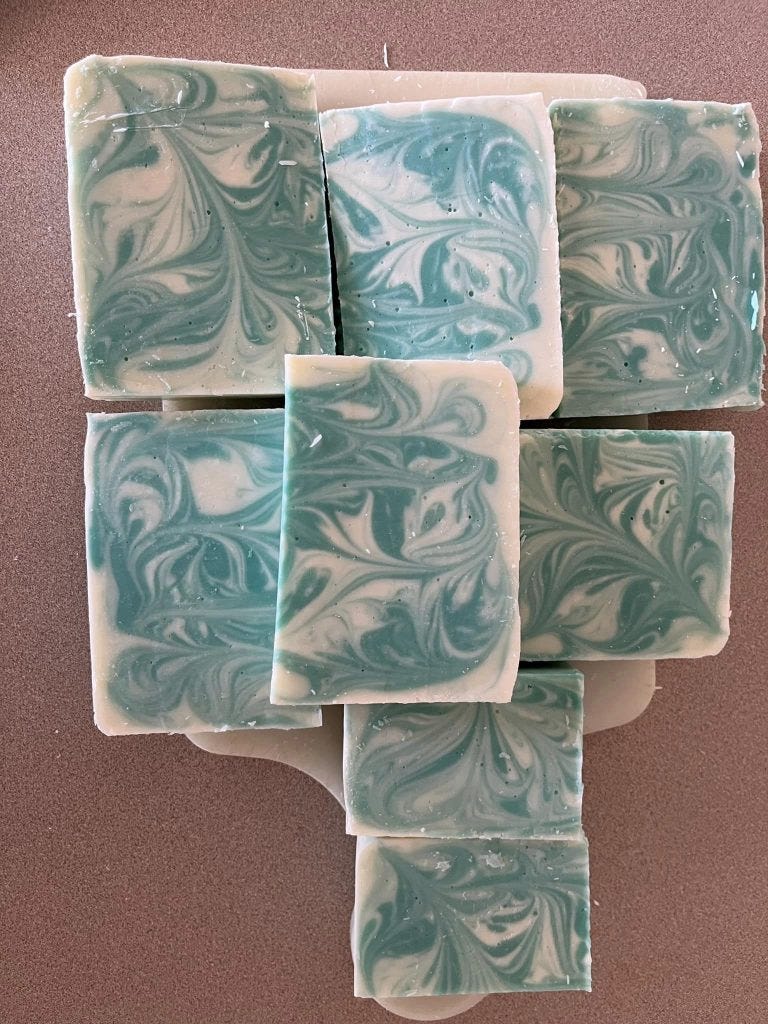
Personally, when I’m not writing or training for a triathlon, I make soap. It’s a perfect blend of chemistry (I’m still a pharmacist at heart) and creativity. I used to stress over getting perfect colors and swirly designs in my soap. And then I got over all that fuss, because I wasn’t having fun. Soaping had become a chore.
Now, I just enjoy time blending the oils and creating a simple color swirl. I love peeking into the fridge as the batter cools, to see the colors change as the chemical reactions continue. Even cleaning up the equipment, which can take a bit of time, has become a chance for me to relax my mind.
But I Hate Crafts! Yuck.
If you’re truly stressed by the idea of picking up a hobby or a craft, and nature walks don’t interest you, consider exercise or a sport. No, you don’t have to sign up for the local flag football team. Anything physically active, from paddleboarding (if I can do it, you can do it!) to pickleball (which is all the rage) opens a world of possibilities. And being involved in sports/exercise can increase important chemicals that reduce stress and improve mood, such as dopamine levels, serotonin, and oxytocin. Check out this article on Exercising to Relax (Harvard Health). When you’re less stressed, your imagination can soar.
Finding Others

If you’re looking for inspiration, learn about the hobbies and crafts of other writers at today’s blog hop at the Insecure Writers Support Group. (Also check out the blog links below).
While you’re there, consider signing up for future blog hops. We can learn so much from engaging with other writers! (Plus social interactions, which can be hard for us introverted writers, can improve those dopamine and oxytocin levels, too!)
Other Resources:
Here are a few other posts with tips to help avoid or repair burnout, writer’s block, and other writing stresses. I hope they help you on your journey.
Happy crafting!
Miffie
Blog hop quick links. Check out today’s hosts: Diedre Knight, Lisa Buie Collard , Kim Lajevardi, and JQ Rose! And the rest of the blog hoppers here:
The post How Taking Time to Be Creative Will Help Your Writing first appeared on Miffie Seideman.